
FREEZING LINE
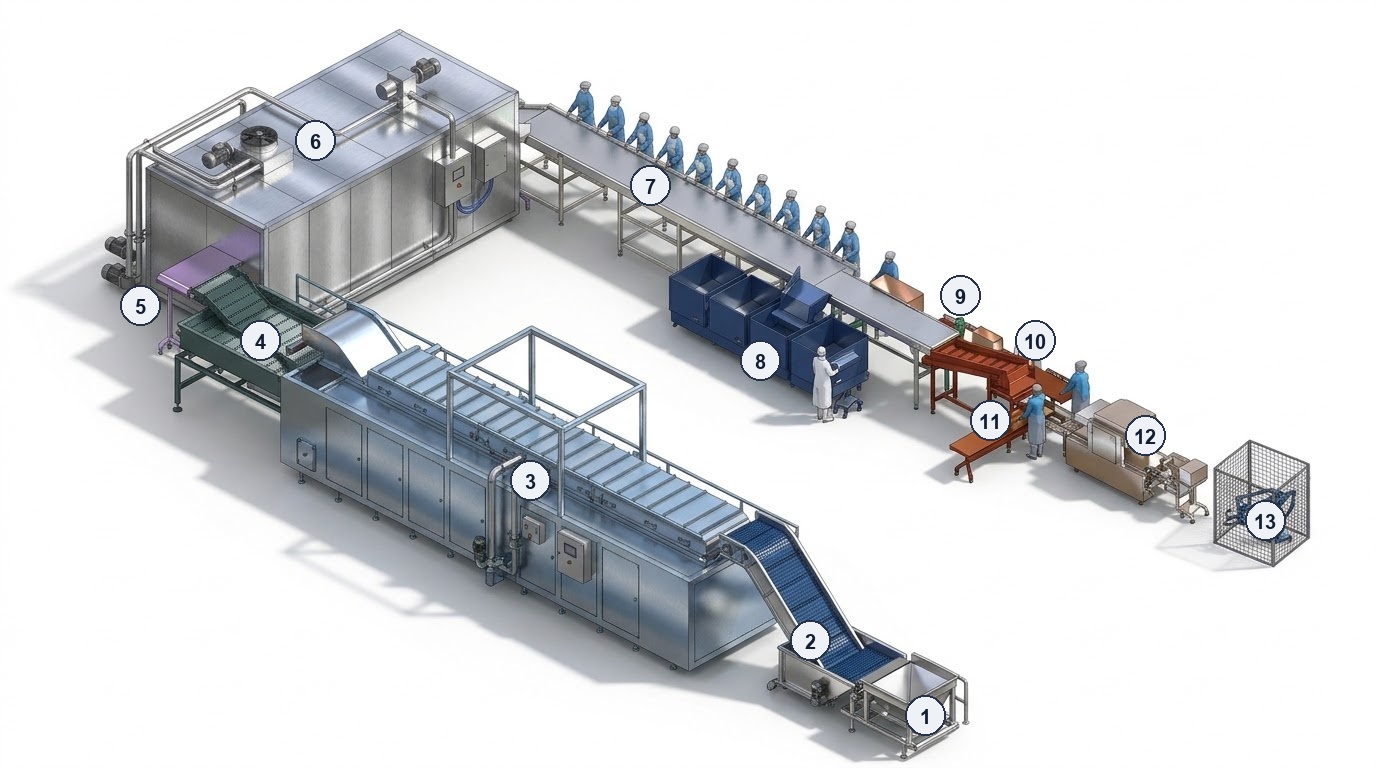
💡 Click any number on the diagram or the tabs below to view machine details.
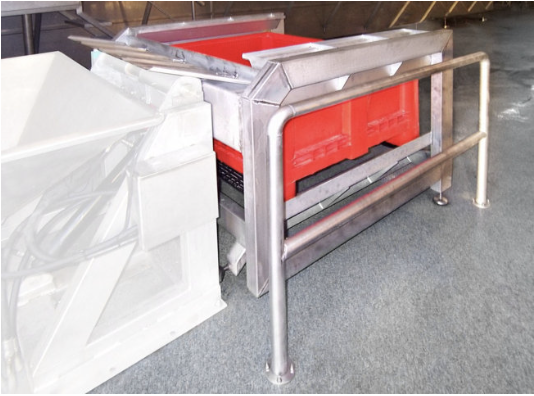
CONTAINER TIPPER
PROCESS DESCRIPTION
The operation of the freezing line is straightforward and robust because the working cycle is always consistent. The only technical complexity lies in calibrating appropriate speeds and freezing times for each fish species and size. Once programmed, reaching optimal quality in the final product is effortless.
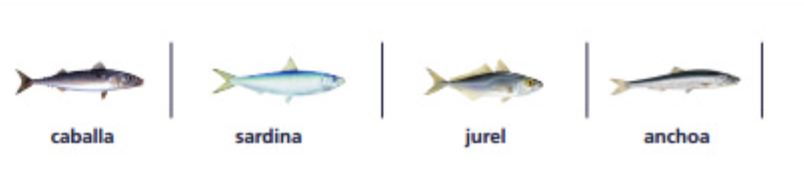
The line is engineered for various pelagic species of different calibers.
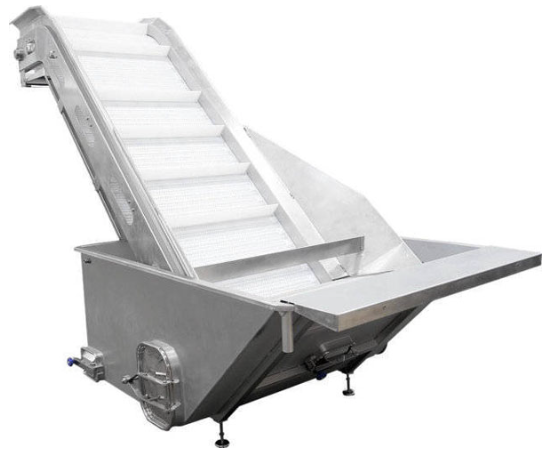
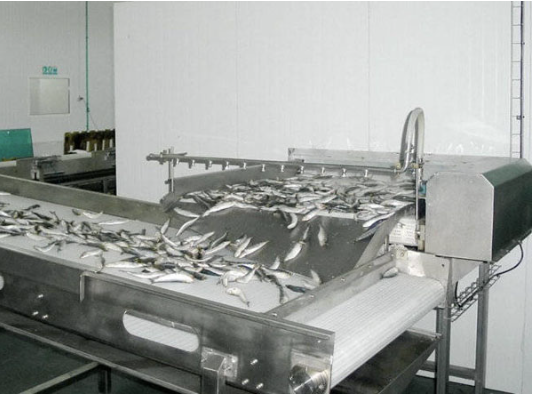
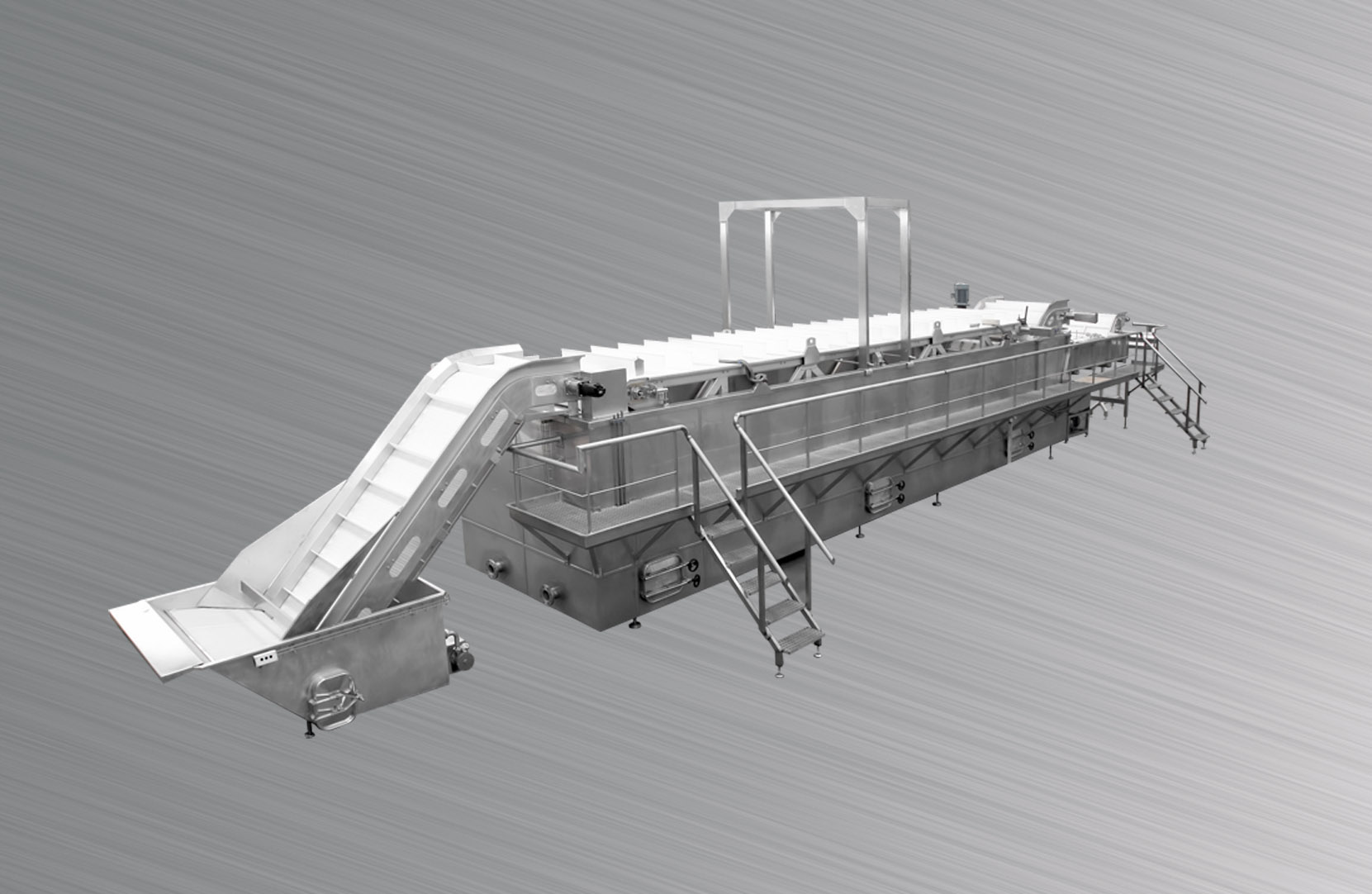
1. Infeed loading hopper. The infeed loading hopper where fish is dumped manually or by the hydraulic container tipper. Filled with chilled fresh or salt water to cushion product fall and prevent damage, while washing away impurities. Incorporates a pump and brine heat-exchange coil to maintain low water temperatures. Side cleanout doors allow easy tank sanitation.
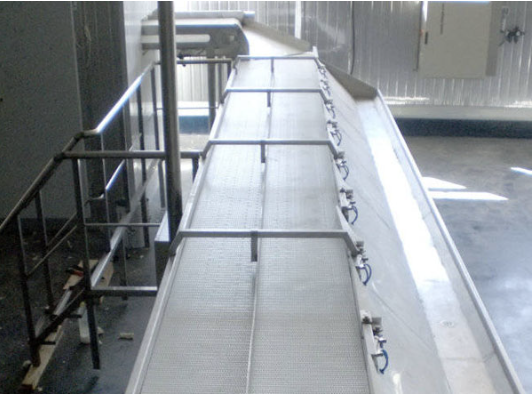
An inclined elevator conveyor connects the hopper to the brine tank, synchronized with the freezing drive, draining excess freshwater back into the hopper via a collection tray.
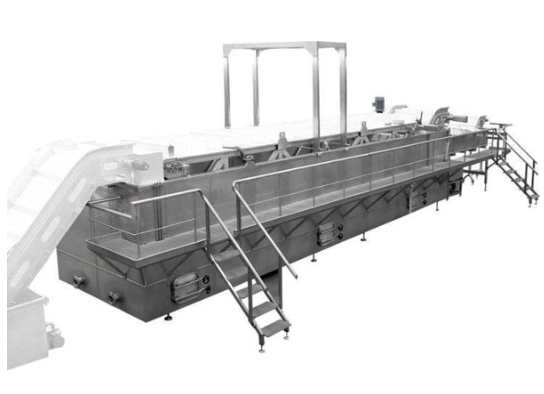
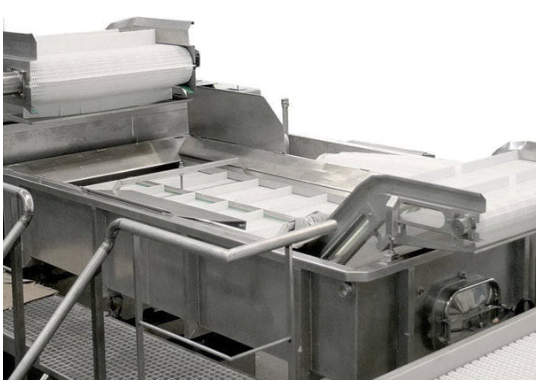
2. Brine freezing tank. The product passes from the hopper conveyor into the freezing tank filled with brine at approximately -20°C. Fully submerged by an overhead flight system, it travels in a dual-pass loop. The time it takes for fish to traverse the tank depends on the conveyor speed, adjustable for each fish grade. At the discharge end, an extraction conveyor synchronized with the main drive withdraws the frozen fish, draining brine back into the main tank via a recovery tray.
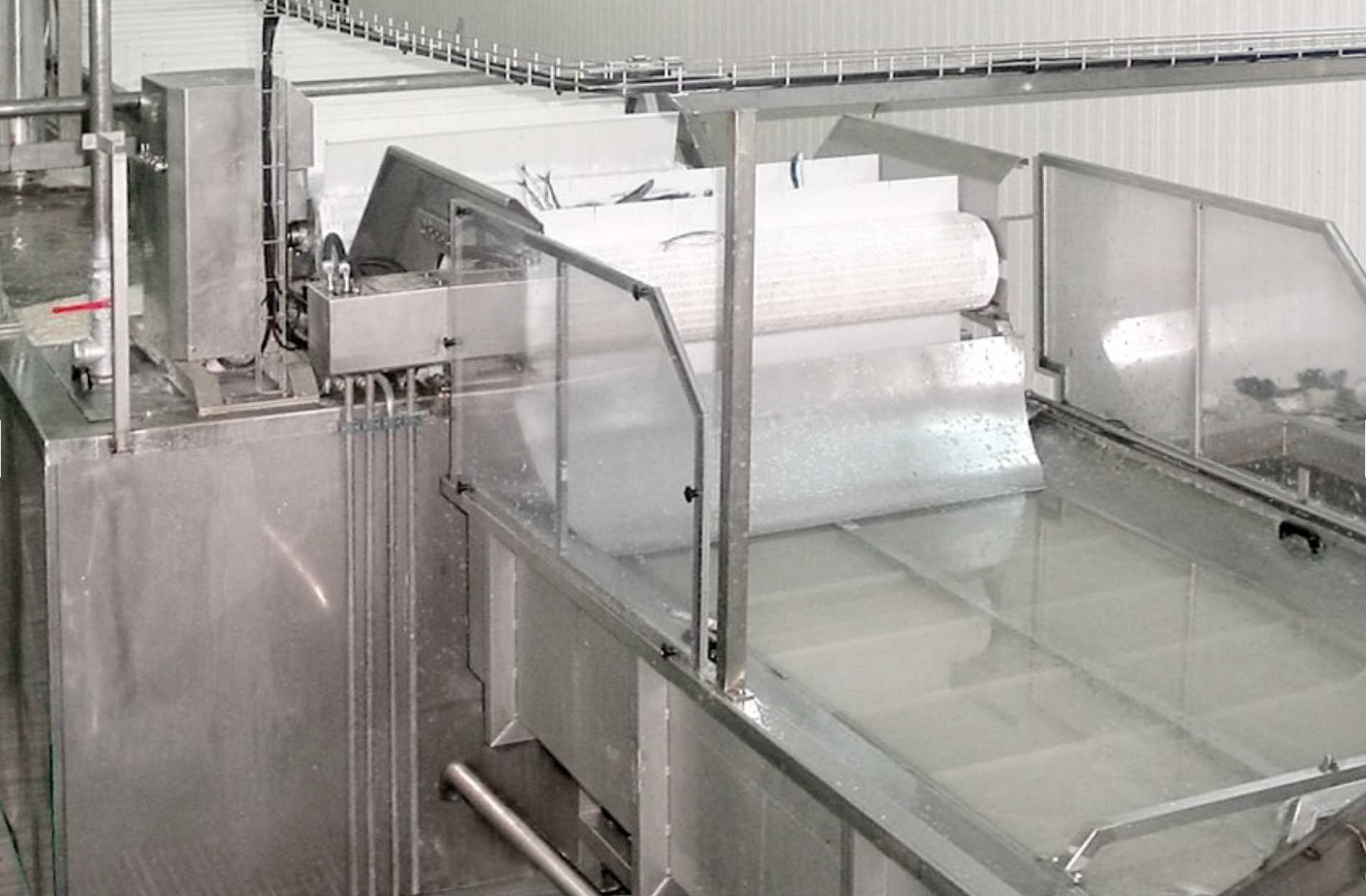
3. Glazing unit. Leaving the tank, fish is conveyed through cold freshwater inside the glazer by immersion to rinse off surface brine, soaking in water just tenths above 0°C. This will flash-freeze in the sub-cooling tunnel, enhancing fish appearance and shelf life.
Features an integrated cooling coil and filtration pump. A variable-speed conveyor carries product through the bath, allowing precise calibration of the desired ice glaze percentage.
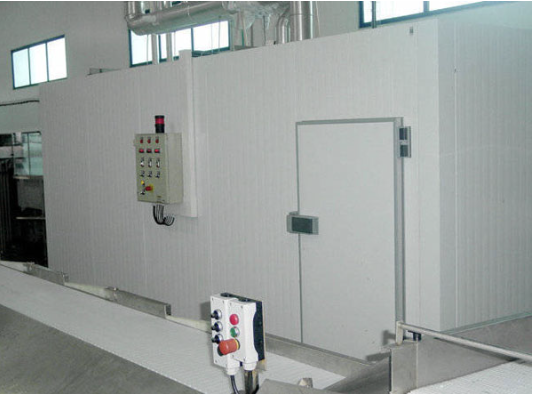
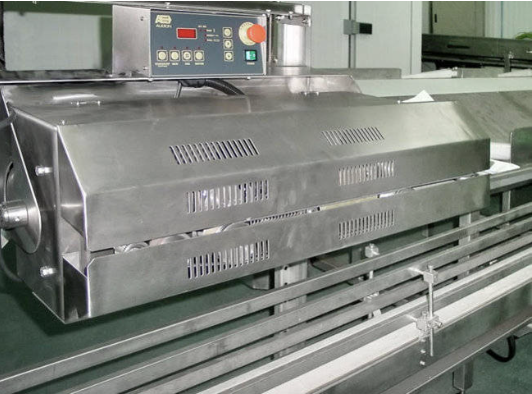
4. Freezing tunnel (drying and sub-cooling). The tunnel conveyor receives fish from the glazer with a cushioned drop chute and carries it through a forced-air blast chamber at -32°C. This solidifies the protective freshwater glaze and dries residual free water (water content <5%).
Deeply frozen and glazed fish emerges ready for processing.
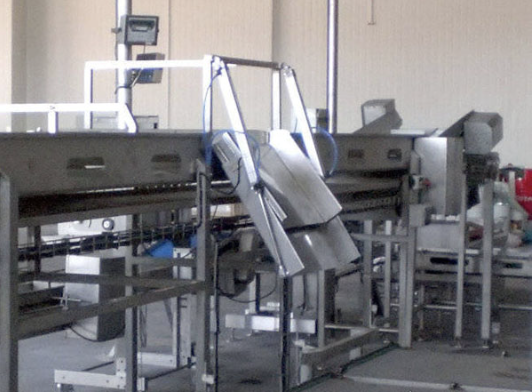
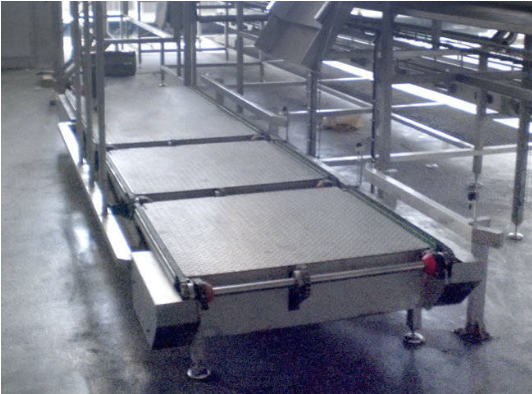
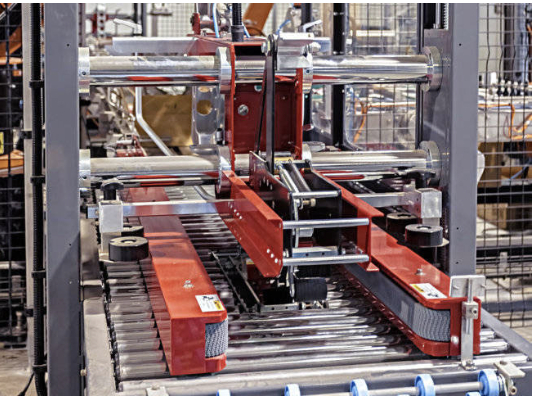
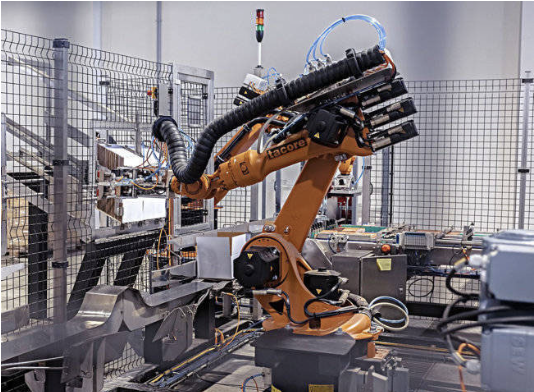
5. Weighing and packaging line. Exiting the tunnel, fish flows onto an inspection conveyor for manual grading, size classification, and removal of any defects.
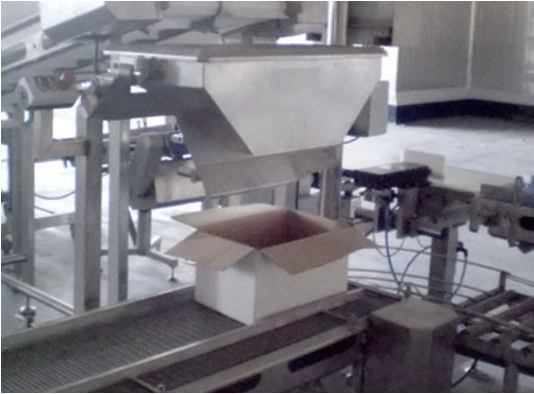
Product is then directed to box, bag, or bulk tub filling stations based on plant configuration.
6. Hydraulic power unit. Automatically drives the hydraulic actuators and motors of each machine. Includes a pre-heating phase before starting production.
Flow control valves allow fine-tuning of each conveyor motor speed, matching line output and quality.